Visits by appointment only - please call 07976 531152 to arrange.
The Celadon
Quail but with a twist
Celadon Quail
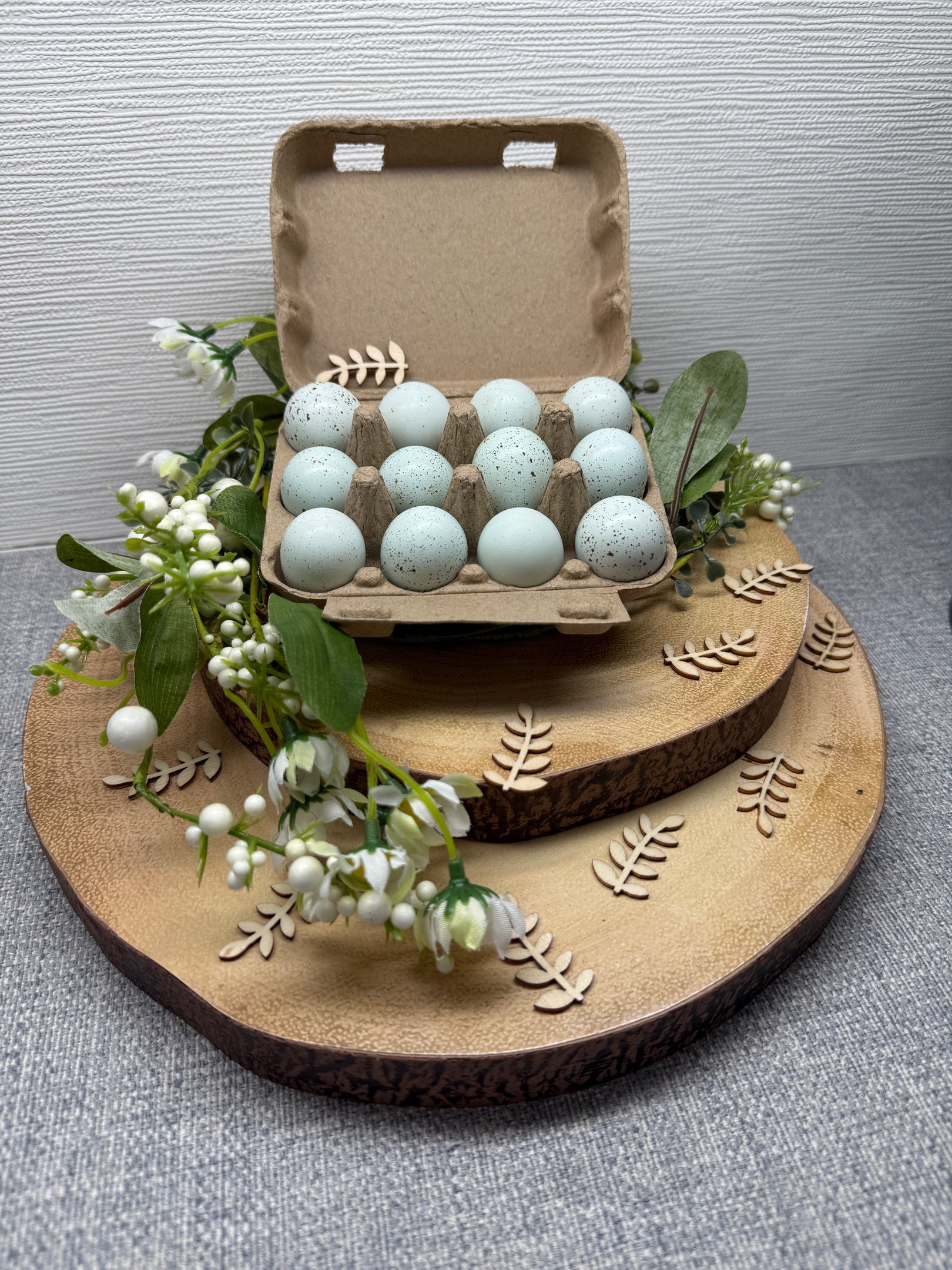
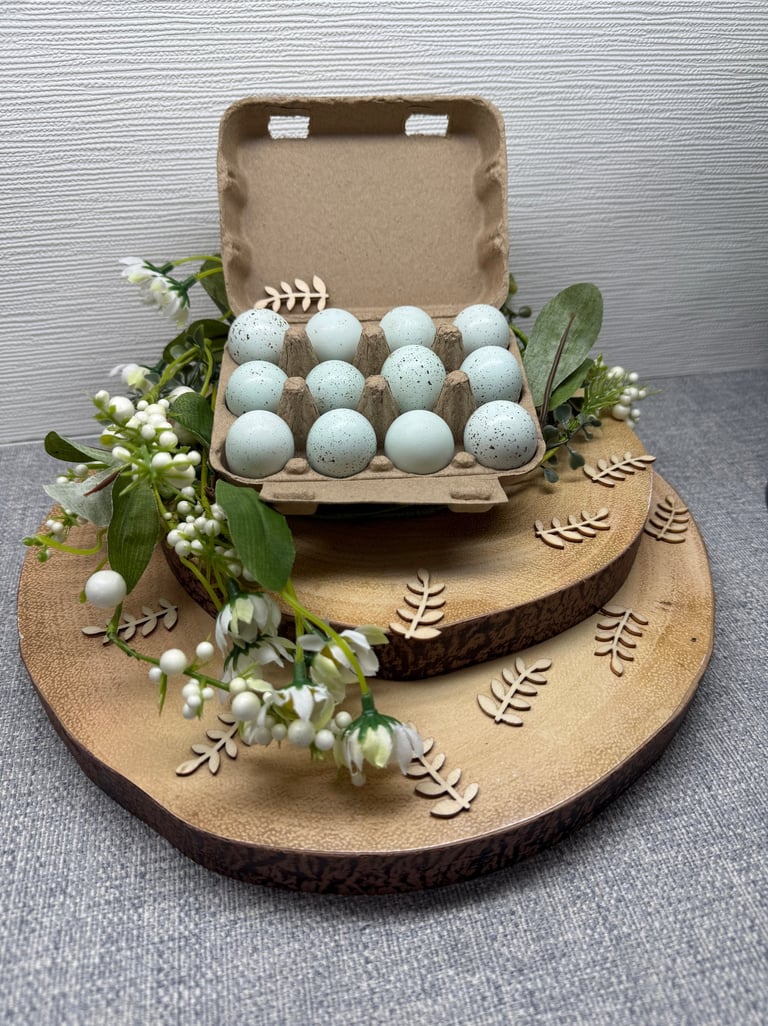
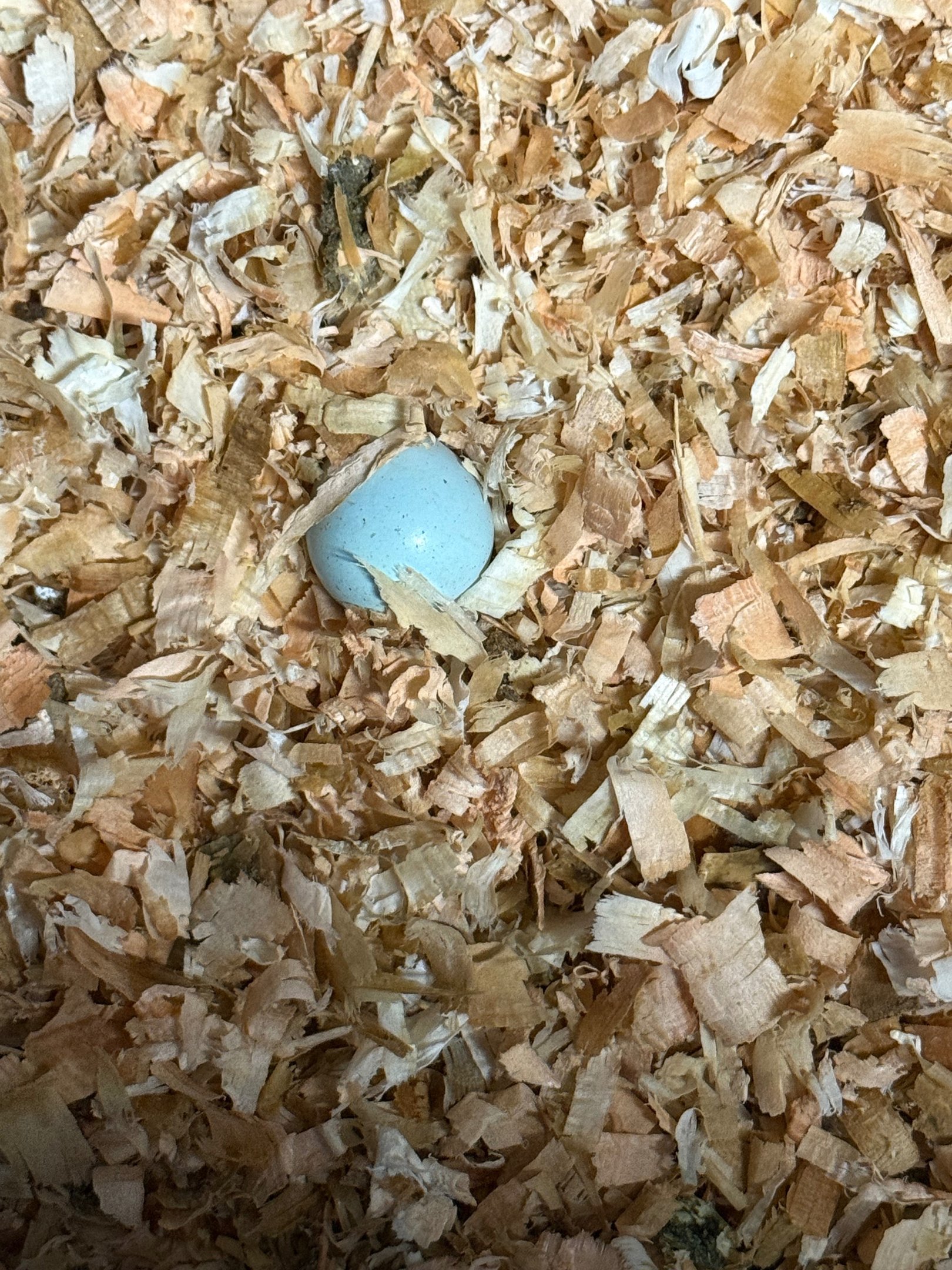
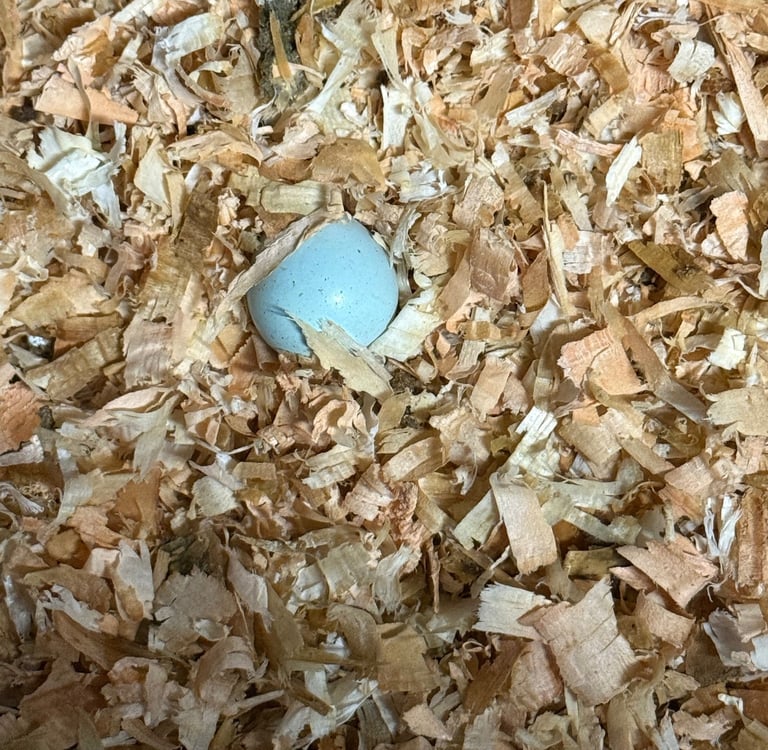
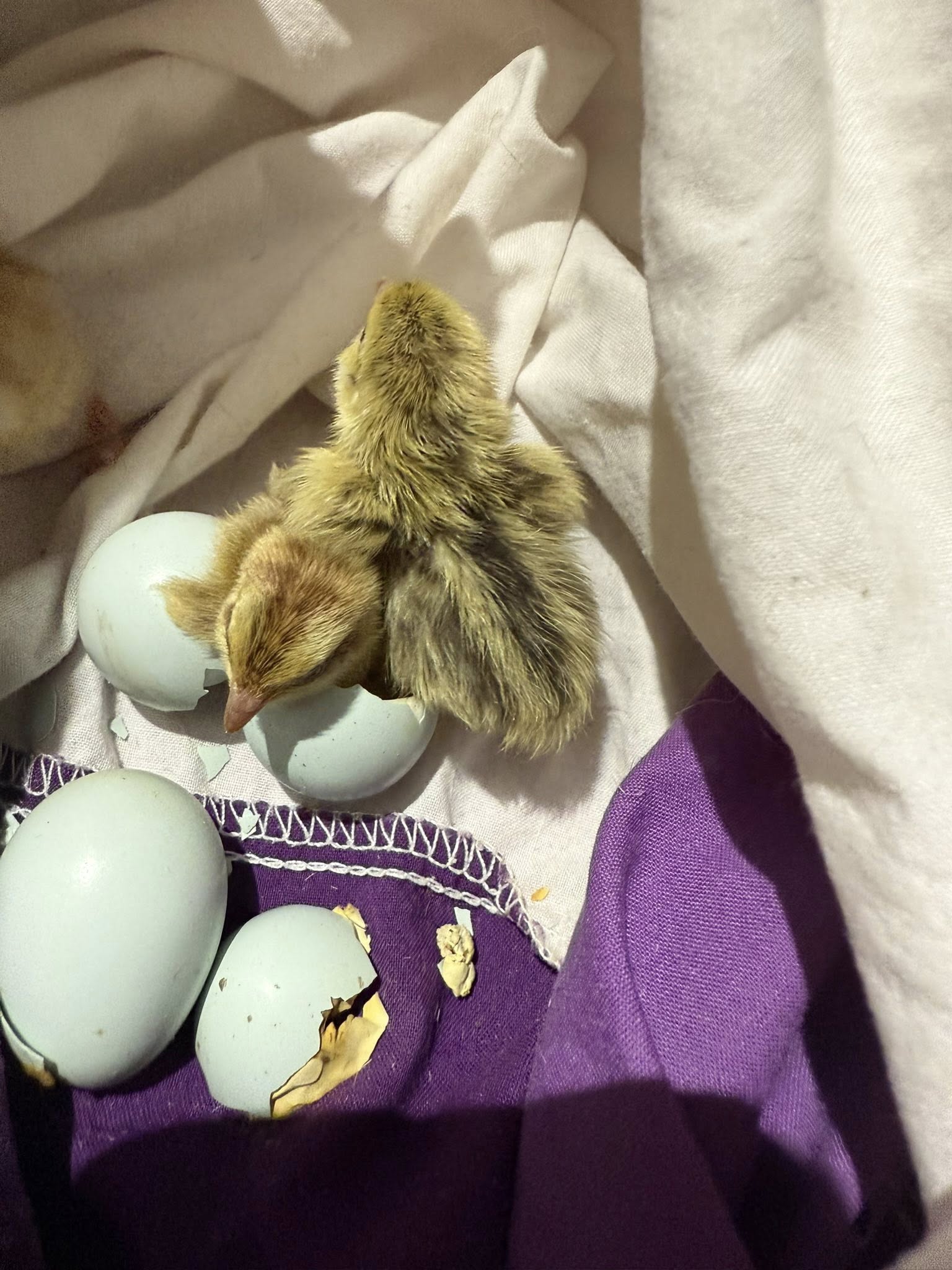
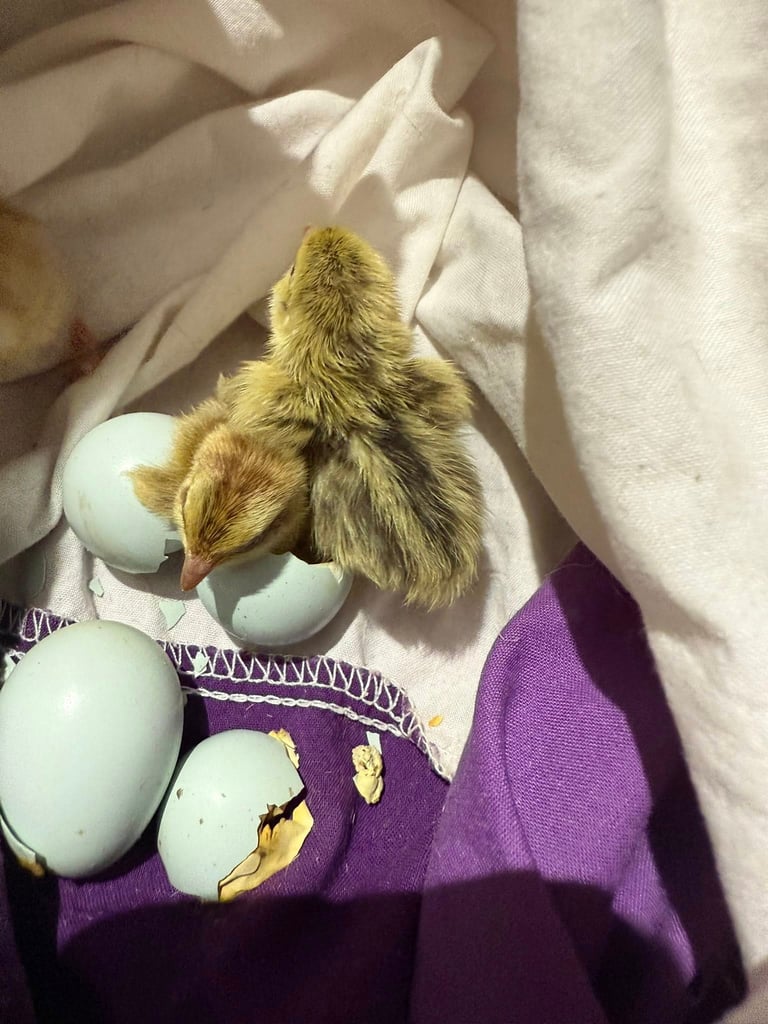
The Celadon quail is a specialised strain of Coturnix japonica that has been selectively bred for one particularly striking trait: the ability to lay naturally blue-shelled eggs. Unlike standard quail, this feature is controlled by a recessive gene, which means that both parent birds must carry and pass on the gene for it to be visibly expressed in their offspring. Because of this, breeding true Celadon lines requires careful pair selection and record keeping, as pairing a Celadon bird with a non-Celadon will typically result in offspring that carry the gene without producing blue eggs themselves. Over time, dedicated breeders have stabilised this trait, creating reliable lines that consistently produce these distinctive eggs.
The genetics behind the Celadon egg colour are what make these quail particularly interesting. The blue colouration is caused by the deposition of pigment throughout the eggshell, rather than just on the surface as seen in traditional speckled quail eggs. This results in a smooth, often glossy shell that ranges in shade from pale sky blue to deeper teal tones. Because the gene is recessive, it can remain hidden for generations unless intentionally bred for, which adds an extra level of interest for keepers who enjoy working with genetics and selective breeding. Establishing a strong Celadon line often involves breeding from known blue egg layers and, where necessary, test pairing birds to confirm whether they carry the gene.
In terms of egg production, Celadon quail are valued not just for the quantity of eggs they produce, but for their visual appeal. The eggs are widely appreciated for their beauty, making them highly desirable for crafts, decorative displays, and gifting. Their natural blue tones lend themselves particularly well to creative uses such as blown eggs, jewellery, or ornamental arrangements, where their colour can be showcased without artificial dyes. At the same time, they remain perfectly suitable for eating and hatching, offering both practicality and aesthetic value in a single bird.
Breeding Celadon quail tends to focus heavily on maintaining and improving egg colour consistency. Because the trait does not affect feather colour, a wide range of plumage varieties can still be incorporated into breeding programmes without losing the defining blue egg characteristic. This allows breeders to work on multiple traits simultaneously, such as size, vigour, and colour patterns, while still preserving the Celadon gene. Incubation is typically used to hatch eggs, giving breeders greater control over pairings and hatch rates, and enabling more precise selection of future breeding stock.
Physical Characteristics and Varieties
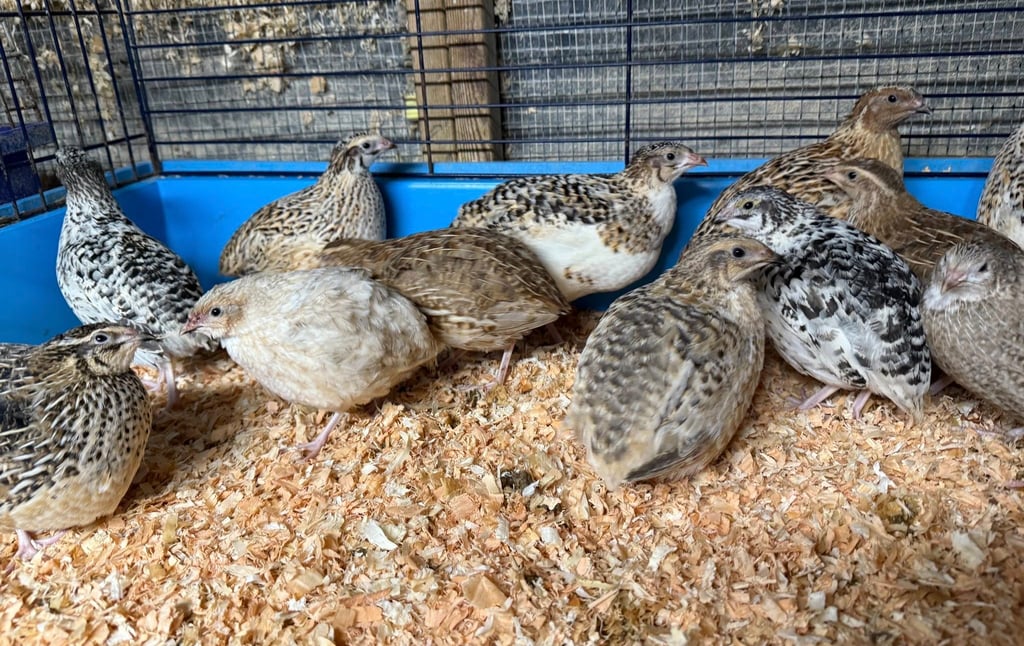
Appearance Celadon quail do not differ structurally from other birds of the same species, but they are often selected for overall quality alongside their egg colour genetics. Their plumage can vary widely, as the Celadon gene is not linked to feather pattern or colour, allowing for a diverse and visually appealing flock. Every other aspect of Celadon quail care and characteristics mirror Japanese quail.
Productivity
The defining feature of Celadon quail is their blue eggs, produced consistently in well-established lines. These eggs are highly valued for their colour, making them desirable for hatching, culinary use, and especially for decorative and craft purposes.
Suitability
Best for Keepers with an interest in genetics, selective breeding, and producing visually unique eggs for multiple uses, including crafts and display.
Note Celadon quail are best suited to those willing to invest time in understanding and managing recessive traits, as maintaining consistent blue egg production depends entirely on careful and informed breeding practices.
© 2026. All rights reserved.
Contact
07976 531152
info@parksidepoultry.uk
Useful Links
Address
4 Croft Road, Aldershot, Hampshire. GU11 3HR