Visits by appointment only - please call 07976 531152 to arrange.

Protect Your Chicken Coop from Foxes and Mites
Discover effective strategies to safeguard your chicken coop from threats like foxes, mites, and more. Learn proactive measures to prevent disasters and ensure the health of your flock.
Sarah Barratt
3 min read
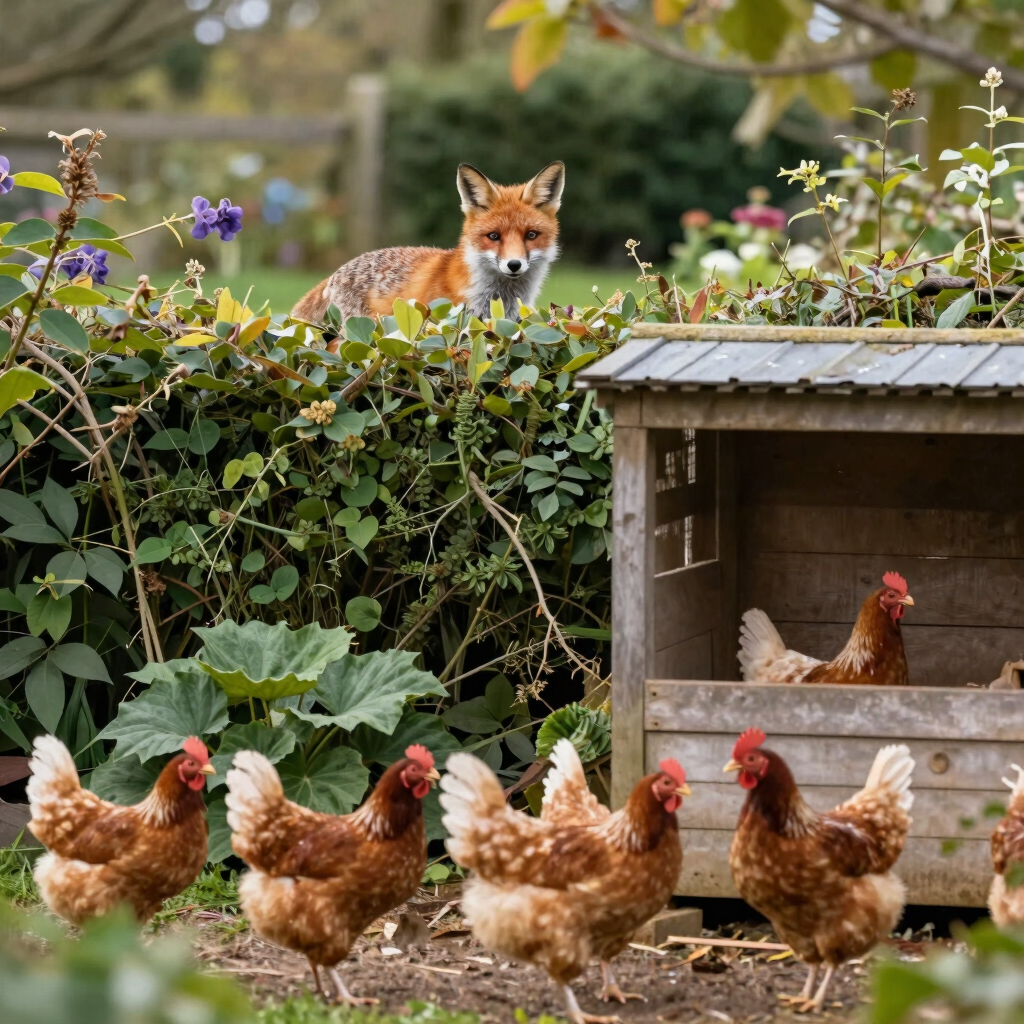
Keeping chickens in the UK can be deeply rewarding, but it comes with real responsibilities. The UK countryside and even suburban areas are full of predators and parasites that can harm or kill your flock if you are not prepared. Good chicken keeping is not just about feeding and housing, it is about prevention, observation and consistent care.
Understanding the Threats to Chicken Health
Chickens are vulnerable to a range of external and internal parasites. These issues often go unnoticed until they become severe, so regular checks are essential.
Red mite is one of the most common and serious problems in England, especially during warmer months. These tiny mites live in cracks and crevices of the coop and come out at night to feed on your chickens’ blood. Infestations can cause anaemia, stress, reduced egg production and even death. You may notice your chickens becoming reluctant to go into the coop, appearing pale around the comb, or restless at night. Prevention involves regular cleaning, using mite powders or sprays, and treating the coop structure itself, not just the birds.
Lice are another external parasite that live permanently on chickens. Unlike red mites, they stay on the bird and feed on skin debris. Chickens with lice may appear scruffy, itch frequently, and show reduced condition. Regular dust baths help chickens manage lice naturally, but infestations often require treatment with poultry-safe powders.
Northern fowl mite is less common but more dangerous because it lives on the bird and feeds on blood, similar to red mite. It can spread rapidly through a flock and cause severe irritation, feather loss and weakness. Early detection is critical, usually by checking around the vent area for dark clusters.
Intestinal worms are an internal threat that can affect chickens of all ages. Worm burdens can lead to weight loss, diarrhoea, reduced egg production and general poor health. Chickens pick up worms from contaminated ground, droppings or intermediate hosts like slugs. Regular worming treatments and rotating grazing areas can help reduce the risk.
Other health concerns include respiratory infections, which are common in damp or poorly ventilated coops, and nutritional deficiencies if the diet is not balanced. Clean water, high-quality feed and good hygiene are fundamental to preventing illness.
Protecting Chickens from UK Predators
Predators are a constant danger in England, whether you live in a rural village or a town. Many attacks happen at night, but some predators are bold enough to strike during the day.
Foxes are the most well-known threat. They are intelligent, persistent and capable of digging under fences or climbing over them. A secure coop with a solid base, buried wire mesh and a fully enclosed run is essential. Never assume a fox will not visit during daylight, as urban foxes are increasingly active during the day.
Badgers are powerful animals that can break into poorly constructed coops. They are protected in the UK, so prevention is the only option. Strong housing with reinforced doors and heavy-duty weld mesh is necessary if badgers are present in your area.
Mink are particularly dangerous because they can squeeze through very small gaps and may kill multiple birds in a single attack. They are less common but devastating. Fine mesh and eliminating any small weak spots in your coop and run is critical.
Rats are often overlooked as predators but can kill chicks and even attack adult birds. They are also attracted by spilled feed and can spread disease. Keeping feed secure, cleaning up regularly and using rat-proof feeders will help reduce the risk.
Other threats include birds of prey, especially to free-ranging chickens, and domestic dogs, which can cause significant damage if they gain access to your flock.
Building a Secure Environment
A safe chicken setup starts with a well-designed coop and run. The coop should be sturdy, well-ventilated and easy to clean. The run should be fully enclosed with strong wire mesh, including a covered top to prevent aerial attacks.
Burying mesh at least 30 centimetres into the ground around the perimeter helps prevent digging predators like foxes and badgers. Alternatively, an outward-facing skirt of mesh can deter digging.
Automatic coop doors can add an extra layer of security by ensuring chickens are locked in at dusk, even if you are not home. Regularly check for damage, gaps or signs of attempted entry.
Routine and Vigilance
Chickens thrive on routine, and so does good husbandry. Daily checks allow you to spot early signs of illness or stress. Weekly coop cleaning and regular deep cleans reduce parasite loads. Monthly health inspections, including checking feathers, skin and droppings, help catch problems before they escalate.
Seasonal awareness is also important. Red mite peaks in summer, while winter brings risks of damp and respiratory illness. Predator activity can increase when natural food sources are scarce.
Conclusion
Keeping your chickens safe requires a proactive approach. Parasites like red mite, lice, northern fowl mite and worms can quietly undermine your flock’s health, while predators such as foxes, badgers, mink and rats pose constant external threats. By combining strong housing, good hygiene, regular health checks and careful management, you can create a safe and thriving environment for your chickens.
© 2026. All rights reserved.
Contact
07976 531152
info@parksidepoultry.uk
Useful Links
Address
4 Croft Road, Aldershot, Hampshire. GU11 3HR