Visits by appointment only - please call 07976 531152 to arrange.
Quail Eggs: Nutrition, Cooking Tips & Storage Facts
Discover the nutritional benefits of quail eggs, along with expert cooking tips and storage advice. Learn how to incorporate these nutritious eggs into your meals for a healthy diet.
Sarah Barratt
Introduction to quail eggs
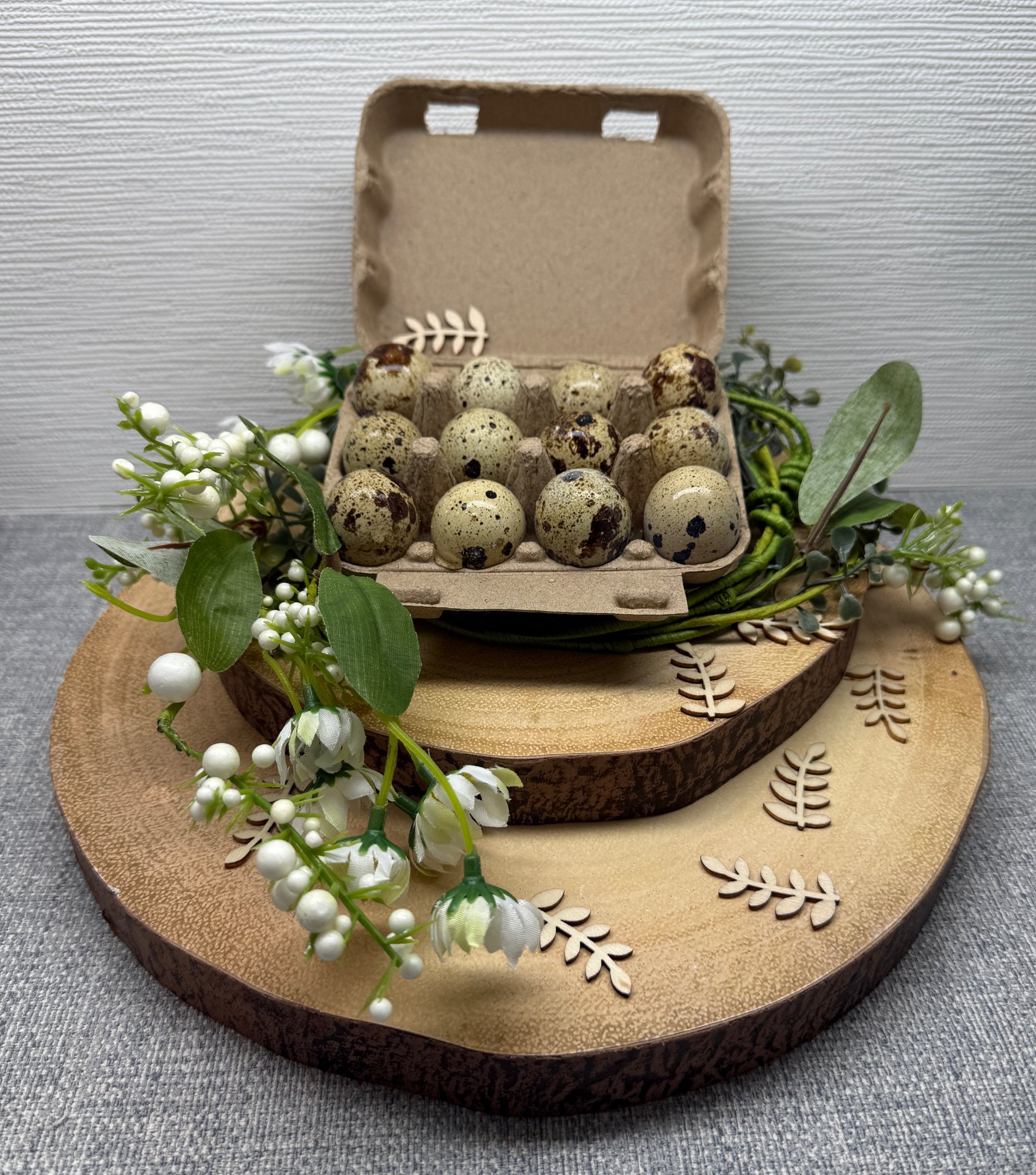
Quail eggs are a small but highly nutritious food enjoyed in cuisines around the world, including Europe, Asia, and the Middle East. In the UK, they are often considered a delicacy due to their distinctive appearance, rich flavour, and versatility in cooking. Despite their size, quail eggs are packed with essential nutrients and can be a valuable addition to a balanced diet.
Nutritional benefits of quail eggs
Quail eggs are known for their dense nutritional profile. When compared by weight, they can provide higher concentrations of certain vitamins and minerals than chicken eggs, although they are typically consumed in smaller quantities.
They are a complete source of protein, containing all essential amino acids required for normal growth and tissue repair. Quail eggs are particularly rich in vitamin B12, which supports normal energy release and neurological function, and riboflavin (vitamin B2), which contributes to energy metabolism.
They also provide iron, which supports the formation of red blood cells, as well as selenium, a mineral involved in normal immune system function. In addition, quail eggs contain choline, an important nutrient for brain health, liver function, and cell structure.
Some individuals report that quail eggs are easier to digest than chicken eggs, particularly those with mild sensitivities. However, this varies from person to person and they are not suitable for individuals with a diagnosed egg allergy.
Quail egg structure and composition
Each quail egg is a naturally designed biological structure that protects and nourishes a developing embryo.
The shell is thin but strong and made primarily from calcium carbonate. It is covered by a natural protective layer known as the bloom or cuticle, which helps reduce bacterial contamination and moisture loss.
Beneath the shell are two membranes that provide structural support and act as additional barriers against bacteria. At the wider end of the egg is a small air cell, which increases in size as the egg ages and can be used as an indicator of freshness.
The egg white, known as albumen, is rich in water and protein, particularly ovalbumin. The yolk contains fats, fat-soluble vitamins, and key nutrients such as iron and choline. Compared to chicken eggs, quail eggs have a higher yolk-to-white ratio, contributing to their richer taste and creamier texture.
The chalazae are the twisted strands within the egg that hold the yolk in place and help maintain its central position.
How to cook and use quail eggs
Quail eggs are highly versatile and can be prepared in many of the same ways as chicken eggs, although they require shorter cooking times due to their small size.
Common cooking methods include boiling, frying, pickling, and baking. Soft-boiled quail eggs typically take around two minutes, while hard-boiled eggs take approximately three to four minutes.
They are widely used in salads, appetisers, canapés, and garnishes due to their size and visual appeal. Pickled quail eggs are also popular and provide a longer shelf life with added flavour. In baking, they can be used as a direct substitute for chicken eggs in appropriate ratios.
Quail eggs in cooking and cuisine
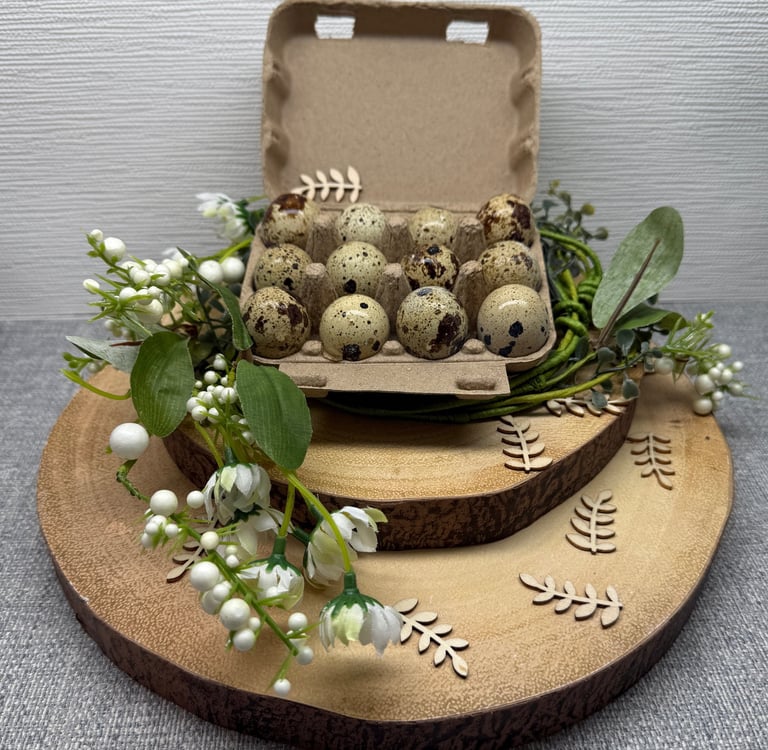
Quail eggs are valued not only for their nutritional content but also for their culinary presentation. Their speckled shells and small size make them popular in fine dining, hospitality, and decorative dishes. Their flavour is often described as slightly richer and more concentrated than chicken eggs.
They are commonly used in both traditional and modern recipes, particularly where visual presentation is important.
Storage and food safety
Like all eggs, quail eggs should be stored properly to maintain freshness and food safety. Refrigeration is recommended, and eggs should be used within their recommended shelf life. As with any raw or lightly cooked egg product, proper hygiene and handling are essential.
Conclusion
Quail eggs are a compact, nutrient-dense food that offer high-quality protein, essential vitamins, and important minerals. Their unique nutritional profile, combined with their versatility in cooking, makes them a valuable ingredient for both home cooking and professional culinary use.
Whether used in simple everyday meals or more refined dishes, quail eggs provide both flavour and nutritional value in a small but highly effective package.
© 2026. All rights reserved.
Contact
07976 531152
info@parksidepoultry.uk
Useful Links
Address
4 Croft Road, Aldershot, Hampshire. GU11 3HR